Vestibular Disease in Dogs
Vestibular disease occurs when there is a problem with the nerve connections of the inner ear to the brain, causing ataxia. Ataxia is the inability to coordinate voluntary muscle movements; a disturbance or loss of balance, producing unsteady movements and staggering gait.It has very similar symptoms to that of strokes in dogs, which include: head tilting, loss of balance, disorientation, etc.
This article will provide you with a better understanding of this disorder, including:
• Causes • Symptoms & • Treatments.
Causes of Vestibular Disease
There is no known cause of this condition per se, but it is assumed to be stress or trauma related. The onset occurs when there is an inflammation in the nerves connecting the inner ear to that part of the brain responsible for balance control.
Contributing factors that could cause such irritation of these nerves include:
- ear infections
- chronic use of antibiotics
- low thyroid function and thiamine deficiency
- trauma or head injury
- stroke
Symptoms and Diagnosis
If an apparently healthy dog begins to wander, keeps falling over, and has trouble standing on his own as if he were drunk, he's probably suffering from vestibular disease. Once you recognize any of the following symptoms in your Miniature Schnauzer, a trip to your vet is needed.
- Head tilt
- Rapid eye movement
- Loss of balance and coordination
- Disorientation
- Facial changes like muscle twitching
- Stumbling and falling over
Many dogs suffering from this condition may become nauseous and inclined to vomit. They may be reluctant to eat or drink as the dizziness makes it that more difficult and uncomfortable for them. Especially with geriatric or older dogs.
Owners often think their dog has suffered a stroke since the physical symptoms are similar. But a physical examination of your Miniature Schnauzer should be conducted by a veterinarian for proper diagnosis and treatment.
 |
Use the natural healing power of herbs to clean and disinfect your pet's ears with Only Natural Pet Ear Wash. Ear Wash is an effective blend designed to dissolve ear wax, remove foreign debris, and protect the ears from microbes that may enter or linger in your pet's ears. The specially chosen herbs help to soothe your pet's ears after cleaning, preventing further irritation and scratching. |
Treatment and Care
Since the dizziness may bring about nausea and bouts of vomiting, it is important to ensure your Mini Schnauzer keeps eating and stays hydrated. Until your Miniature Schnauzer improves, you can help the situation by hand feeding your dog tasty, soft foods. This may help your Schnauzer feel less nauseous as opposed to having to bend over to eat. To encourage eating, small pieces of cooked chicken should entice your dog to eat and be easier to take in than having to chew on hard kibble.
It is equally important to keep your Miniature Schnauzer hydrated during this time. If he refuses to drink, use a turkey baster to squirt water in his mouth. And/ or use chicken broth with unflavored Pedialyte for oral re-hydration and nutrition.
Your vet will probably treat your Miniature Schnauzer with intravenous fluids and electrolytes. For more severe cases of vestibular disease your vet may prescribe motion sickness drugs to help combat the symptoms of nausea in your Schnauzer.
Once and if an underlying cause can be determined, your veterinarian will provide an appropriate treatment. For example, if it is determined the onset is due to an ear infection, antibiotics may be prescribed.
The good news is peripheral vestibular syndrome is a common condition and not life threatening. It will usually improve on its own in a matter of a few days (although it can last for several weeks).
Your goal during this recuperating period is to make sure your Schnauzer is as comfortable as possible and well nourished. And most importantly, be sure that your Miniature Schnauzer feels safe and loved.
"Knowledge Share"... If you found this page on Vestibular Disease in Dogs helpful and informative, please share it with your dog-loving friends by clicking on one of the share links (like facebook, twitter, and google +1) located at the top right or bottom of this page.
It can be hard to decide if a pet needs to visit the vet, especially as it can mean trauma for your pet to travel, and weekend and late-night questions create special problems. The veterinary experts on JustAnswer are available any time, and can provide diagnoses, guidance and advice.
Get an answer back from a Vet or Vet Tech
(often within minutes). Experts on call to answer your questions every
day, at all hours when you need them most!
What an easy and fast way to get a second opinion from a dog expert! PLUS its 100% satisfaction guaranteed!
note: In the event of a medical emergency, contact your veterinarian or emergency pet hospital immediately.
Go from Vestibular Disease to About the Miniature Schnauzer on Schnauzers Rule
Go from Vestibular Disease to Miniature Schnauzer Health
Related Topics:
★ Schnauzer Dog Care
★ First Aid for Dogs
★ Schnauzer Health Care
★ Strokes in Dogs
Search Schnauzers-Rule.com




DON'T FORGET....
Mother's Day May 12, 2024

Check out these great Dog Mom Gifts on AMAZON
GET HEALTHY

Great deals on vitamins for your pet!
Note: I earn a small commission from qualifying purchases.
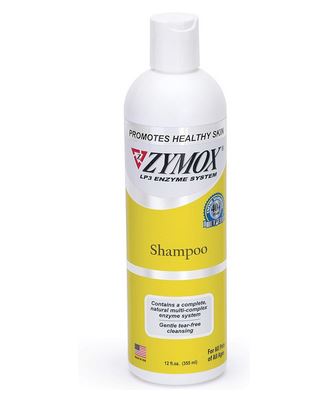
Veterinary Strength Shampoo for Dogs
helps destroy bacteria and fungi that cause skin infections
and Schnauzer Bumps
Mini Schnauzer Family Sun Shade for your car's windshield. So dang cute

Adorable Schnauzer Kitchen Quick Drying Dish Towel

Schnauzers Rule on Zazzle
Schnauzers Rule Zazzle Shop
Be sure to visit our Zazzle store. We have lots gifts for Miniature Schnauzer Lovers including T Shirts, Stickers, Home Decor items and more. Got Schnauzer?
Schnauzer Health Care
DOG HEALTH SERIES
•Diabetes
• Pancreatitis
•Kidney Stones
•Schnauzer Bumps
•Schnauzer Checkup Chart
•Dog Pain Symptoms
• Dog Allergies
•First Aid for Dogs
•CPR for Dogs
•Heimlich Maneuver for Dogs
•Pet Insurance
•Veterinarian
Special Promotional Offers

Check out all the cute dog customers on AMAZON
Amazon purchases through affiliate links, earn me a small commission