Dog Food Nutrition
The following information on dog food nutrition provides a list of all the required nutrients a dog needs for optimal health. But since each dog has different needs based on their activity level, stage of life, and or any particular health issues they may be dealing with, there is no one brand that is going to be best for all Schnauzers.
So what are the right amounts of protein, fats, vitamins, and minerals for your Miniature Schnauzer? The AAFCO (Association of American Feed Control Officials) has in place a set of standards to meet all the nutrient requirements of your dog. Use this information when comparing dog food labels and to help you in choose the best dog food for your Miniature Schnauzer.
Daily Nutritional Requirements for Dogs
• Water: Clean fresh water should be available for your Schnauzer, at all times. Water consumption is of the utmost importance as dehydration is a serious illness. A healthy Miniature Schnauzer can effectively self-regulate his own water intake. Considering how important water is to the body, provide your Schnauzer with the best quality of water possible (ie filtered water).
• Energy: Miniature Schnauzers need to consume a certain amount of calories per day to maintain optimal health. Energy is provided by proteins, fats, and carbohydrates. The appropriate amount of calories your Schnauzer should consume daily depends on activity level, if dog is lactating, and even weather conditions.
Below is an example of how a dog's activity level, age, and environment can effect the amount of calories he/she needs per day. Example Dog: 15 pound Miniature Schnauzer.
| Daily Caloric Intake - Dog Food Nutrition | ||
| Activity Level | Ideal Weight | Daily Calories |
| Active Schnauzer | weighing 15 pounds | 557 Kcal/day |
| Typical Activity | weighing 15 pounds | 464 Kcal/day |
| Pregnant Schnauzer | weighing 15 pounds | 620 Kcal/day |
| Extreme Cold Climate | weighing 15 pounds | 700 Kcal/day |
| Puppy 6 months | weighing 5 pounds | 400 Kcal/day |
| Inactive Senior | weighing 15 pounds | 380 Kcal/day |
• Protein: Proteins are necessary for growth and development. They are the building blocks of nutrition. Proteins are made up of smaller units called amino acids. Of the 22 amino acids needed, 10 are essential amino acids that must be consumed in dog food nutrition.
They are: Arginine, Histidine, Isoleucine, Leucine, Lysine, Methionine, Phenylalanine, Threonine, Tryptophan, and Valine.
The amount of protein your Miniature Schnauzer needs depends on his age, size, and activity level. However, not all proteins are created equal so be sure your Schnauzer consumes high quality digestible proteins.
All Proteins Are Not Created Equal
A dog consuming 36% protein from rabbit meat is not the same as consuming 36% protein from a combination whole grain corn, soybean meal and chicken meal. The body doesn't digest the two in the same way. And poor quality proteins are much harder for your Schnauzer to digest.
In other words, it's the quality of ingredients and your Schnauzer’s ability to digest them that will make the most difference in your dog's well-being and overall health.
• Fats: Fats are an important part of dog food nutrition. As a concentrated source of energy, fats facilitate the absorption, storage, and transport of fat-soluble vitamins such as vitamins A, D, E, and K. The type and amount of fats your dog consumes is extremely important. The most prevalent problems related to fats and Schnauzers are over consumption, obesity, and pancreatitis. Fats are also a source of essential fatty acids (EFA), which must be obtained through your dog's diet.
• Vitamins: Most commercial dog foods are fortified with vitamins to levels that exceed minimal requirements. Vitamins A, D, E, and K are fat soluble vitamins and are stored in the body whereas water soluble vitamins, like Vitamin C and some B-complex vitamins, are excreted if excess amounts are consumed. The fat soluble vitamins, if ingested in mega doses, can produce side effects or toxicity. (note: There is no AAFCO dietary requirement for Vitamins C or K for dogs).
• Minerals: A balanced amount of minerals also plays an important part of dog food nutrition. Minerals perform many different functions in the body such as bone and cartilage formation, enzymatic reactions, maintaining fluid balance, transportation of oxygen in the blood, normal muscle and nerve function, and the production of hormones. Minerals work along with other minerals, vitamins, and enzymes in the body to produce their effects, so the proper balance is vital.
Understanding Dog Food Labels
If a dog food is labeled as 'complete and balanced' it must meet the standards established by the Association of American Feed Control Officials (AAFCO). This is done by through a sampling of the food to ensure it meets the AAFCO nutrient profile or by passing actual feeding trials. Be sure to look for the nutritional adequacy statement on dog food packages. Only dog foods labeled as complete and balanced are intended for long-term use.
Example of Nutritional Adequacy Statement on Dog Food Labels
Statement used for Laboratory Formulation Analysis:
(Product Name) is formulated to meet the nutrional levels established by the AAFCO Dog Food Nutrient Profile for (All Life Stages) or other stage of the pet’s life such as gestation, lactation, growth, maintenance...
or Statement used for Feeding Trails:
Animal feeding tests using AAFCO procedures substantiate that (Product Brand of Dog Food) provides complete and balanced nutrition for (All Life Stages) or other stage of the pet’s life such as gestation, lactation, growth, maintenance...
There are two separate nutrient profiles for dogs: one for growth (puppies) and one for adult maintenance. Maximum and minimum levels of nutrient intake have been established to avoid over nutrition (to avoid toxicity) and under nutrition (to avoid nutrient deficiencies) with pet foods today. The AAFCO standards include recommendations on protein, fat, fat soluble vitamins, water soluble vitamins, and mineral content of foods. Again it reflects the minimum (and some maximum) levels of nutrients that should be in complete and balanced pet food based upon the particular life stage of the pet.
The nutrient levels in the table below are expressed on a dry matter (DM) basis for dog food nutrition. Most pet food labels, however list levels using a guaranteed analysis which are expressed on an as fed basis. Therefore, you will need to convert "AS FED" to "DRY MATTER" in order to check your dog food's nutrient levels to that of the AAFCO profile.
Guaranteed Analysis and Dog Food Nutrition
To convert 'as fed' to 'dry matter' first locate the Guaranteed Analysis on the dog food label. Since each brand and type of dog food has different levels of moisture, we must convert it to dry matter.
1. To determine dry matter look for the moisture percentage on the package and subtract that amount from 100.
(100 - moisture % = dry matter)
For example: A can of dog food that with 80% moisture is expressed as 20% dry matter. (100 - 80 = 20)
2. Next take the nutrient amount you want to evaluate and divide it by the dry matter.
Let's say the above can of dog food's label reads 5% protein. We would take 5 and divide by 20 = 25. This means the amount of protein on a dry matter basis is 25%.
You will use this same conversion for each nutrient you want to evaluate on your Schnauzer's dog food.
Since a food's fat content is important for our Schnauzers don't be fooled when you see a Guaranteed Analysis of 6%. Do the conversion first. If moisture is 80% it would mean the fat content would be calculated as:
6 divided by 20 = 30%. A dog food with 30% fat in its contents is too much for Schnauzers.
AAFCO Dog Food Nutrient Profiles
| Nutrient | Units DM Basis | Growth and Reproduction Minimum | Adult Maintenance Minimum | Maximum |
|---|---|---|---|---|
| PROTEIN | % | 22.0 | 18.0 | |
| Arginine | % | 0.62 | 0.51 | |
| Histidine | % | 0.22 | 0.18 | |
| Isoleucine | % | 0.45 | 0.37 | |
| Leucine | % | 0.72 | 0.59 | |
| Lysine | % | 0.77 | 0.63 | |
| Methionine-cystine | % | 0.53 | 0.43 | |
| Phenylalanine-tyrosine | % | 0.89 | 0.73 | |
| Threonine | % | 0.58 | 0.48 | |
| Tryptophan | % | 0.20 | 0.16 | |
| Valine | % | 0.48 | 0.39 | |
| Fatb | % | 8.0 | 5.0 | |
| Linoleic acid | % | 1.0 | 1.0 | |
| MINERALS | ||||
| Calcium | % | 1.0 | 0.6 | 2.5 |
| Phosphorus | % | 0.8 | 0.5 | 1.6 |
| Ca:P ratio | 1:1 | 1:1 | 2:1 | |
| Potassium | % | 0.6 | 0.6 | |
| Sodium | % | 0.3 | 0.06 | |
| Chloride | % | 0.45 | 0.09 | |
| Magnesium | % | 0.04 | 0.04 | 0.3 |
| Ironc | mg/kg | 80.0 | 80.0 | 3000.0 |
| Copperd | mg/kg | 7.3 | 7.3 | 250.0 |
| Manganese | mg/kg | 5.0 | 5.0 | |
| Zinc | mg/kg | 120.0 | 120.0 | 1000.0 |
| Iodine | mg/kg | 1.5 | 1.5 | 50.0 |
| Selenium | mg/kg | 0.11 | 0.11 | 2.0 |
| VITAMINS | ||||
| Vitamin A | IU/kg | 5000.0 | 5000.0 | 250000.0 |
| Vitamin D | IU/kg | 500.0 | 500.0 | 5000.0 |
| Vitamin E | IU/kg | 50.0 | 50.0 | 1000.0 |
| Thiaminee | mg/kg | 1.0 | 1.0 | |
| Riboflavin | mg/kg | 2.2 | 2.2 | |
| Pantothenic acid | mg/kg | 10.0 | 10.0 | |
| Niacin | mg/kg | 11.4 | 11.4 | |
| Pyridoxine | mg/kg | 1.0 | 1.0 | |
| Folic Acid | mg/kg | 0.18 | 0.18 | |
| Vitamin B12 | mg/kg | 0.022 | 0.022 | |
| Choline | mg/kg | 1200.0 | 1200.0 | |
| aPresumes an energy density of 3.5 kcal ME/g DM, based on the "modified Atwater" values of 3.5, 8.5, and 3.5 kcal/g for protein, fat, and carbohydrate (nitrogen-free extract, NFE), respectively. Rations greater than 4.0 kcal/g should be corrected for energy density; rations less than 3.5 kcal/g should not be corrected for energy. b Although a true requirement for fat per se has not been established, the minimum level was based on recognition of fat as a source of essential fatty acids, as a carrier of fat-soluble vitamins, to enhance palatability, and to supply an adequate caloric density. c Because of very poor bioavailability, iron from carbonate or oxide sources that are added to the diet should not be considered as components in meeting the minimum nutrient level. d Because of very poor bioavailability, copper from oxide sources that are added to the diet should not be considered as components in meeting the minimum nutrient level. e Because processing may destroy up to 90 percent of the thiamine in the diet, allowance in formulation should be made to ensure the minimum nutrient level is met after processing.
| ||||
Keep in mind, the Nutrient Profile is only a list about quantities, you must further evaluate dog food nutrition by understanding the Guaranteed Analysis on the dog food label and ensuring the food contains good quality digestible ingredients. Remember, in order for your Miniature Schnauzer to truly benefit from his dog food his digestive system must be able to process it.
When selecting the best pet food for your Miniature Schnauzer: Read the entire label and choose a food based on its quality (ie the ingredients) and not just percentages. It is the quality of fats and proteins that will have the most profound effect on your Miniature Schnauzer.
READ: Choosing the best dog food for Schnauzers nutrition.
Powdered Eggshells Rich Source of Calcium
Calcium is an important mineral for dogs. It is needed for them to maintain strong healthy bones and teeth. If you are feeding your dog a homemade diet and need to a calcium supplement, here is and easy way to do it:
Instead of tossing out eggshells in the trash, why notuse them to prepare a calcium supplement for your dog.
1. Wash: Wash empty eggshells in warm water and lay them out on a paper towel to dry. Do not remove the membrane because it contains important nutrients for the joints which helps arthritis (note: Use certified organic eggs, if possible).
2. Dry: Once the eggshells have dried, put the broken pieces onto a cookie sheet or pie pan and bake in the oven for 15 minutes at 300 degrees. This will help sterilize the eggshells and make them extra brittle for the next step; grinding.
3. Grind: Grind the shells into a fine powder. Using a food processor or coffee grinder makes this step easy. But you can put the pieces in a plastic bag and use a rolling pin to crush them as well. Just be sure there are no gritty pieces.
4. Store: Put the powdered eggshells into a small glass jar and store it in the refrigerator.
5. Supplement: Sprinkle 1/4 tsp to your dog's homemade meals.
*** As always, seek advice from your Veterinarian before adding any supplements or changing your dog's diet.
"Knowledge Share"... If you found this page on Dog Food Nutrition helpful and informative, please share it with your dog-loving friends by clicking on one of the share links (like facebook, twitter, and google +1) located at the top right or bottom of this page.
Go from Dog Food Nutrition to All About the Miniature Schnauzer, Schnauzers Rule
Go from Dog Food Nutrition to Dog Food
Search Schnauzers-Rule.com




Hide a Squirrel
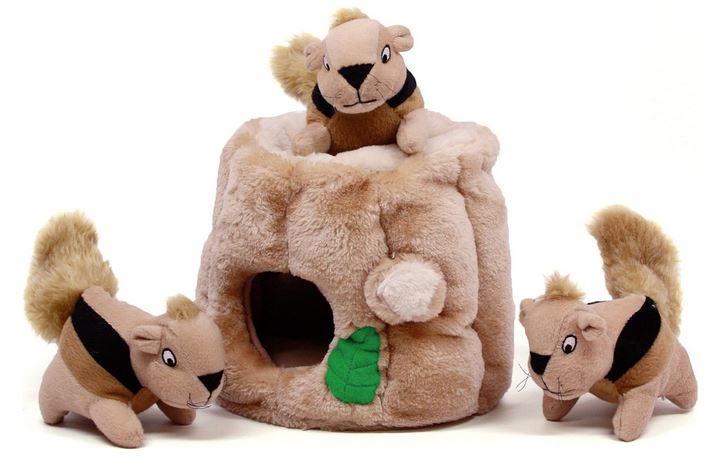
Schnauzer Tested and Approved Dog Toy: Hide a Squirrel on AMAZON
GET HEALTHY

Great deals on vitamins for your pet!
Note: I earn a small commission from qualifying purchases.
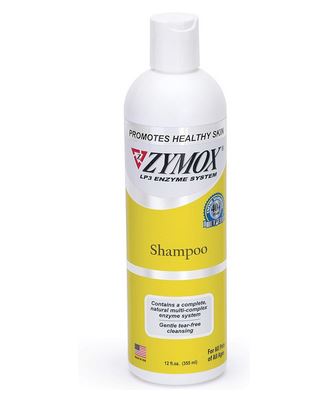
Veterinary Strength Shampoo for Dogs
helps destroy bacteria and fungi that cause skin infections
and Schnauzer Bumps
Mini Schnauzer Family Sun Shade for your car's windshield. So dang cute

Adorable Schnauzer Kitchen Quick Drying Dish Towel

Schnauzers Rule on Zazzle
Schnauzers Rule Zazzle Shop
Be sure to visit our Zazzle store. We have lots gifts for Miniature Schnauzer Lovers including T Shirts, Stickers, Home Decor items and more. Got Schnauzer?
Schnauzer Health Care
DOG HEALTH SERIES
•Diabetes
• Pancreatitis
•Kidney Stones
•Schnauzer Bumps
•Schnauzer Checkup Chart
•Dog Pain Symptoms
• Dog Allergies
•First Aid for Dogs
•CPR for Dogs
•Heimlich Maneuver for Dogs
•Pet Insurance
•Veterinarian
Special Promotional Offers

Check out all the cute dog customers on AMAZON
Amazon purchases through affiliate links, earn me a small commission