Canine Parvovirus
Canine Parvovirus, CPV, strikes without warning and if your puppy gets it... you won't have much time to save him.
Parvo is the most common infectious disease of U.S. dogs. This dreadful virus attacks the intestinal lining and immune system of dogs. Puppies between 6 weeks and 6 months of age, who are still developing their immune systems and still in the process of receiving their vaccinations, are especially susceptible.
An infected puppy can be up and around playing and a few hours later become extremely ill. The virus is often fatal since most puppies are not able to fight off the virus and bacterial infection and therefore go into shock and die.
Parvo is transmitted primarily through direct contact (usually from an
infected dog's feces). But the virus is very hardy and continues to
thrive and spread for 5 to 8 months. It can thrive and spread from yard
to yard from shoes, tires, or other means. It can continue to survive on
toys, bedding, food bowls, kennels floors, and the list goes on and on. So you get the idea of just how contagious it is.
Parvo Symptoms and Treatment
SYMPTOMS
The symptoms of canine parvovirus usually appear very rapidly. As mentioned above, an infected puppy can be up and around playing and a few hours later become extremely ill. The incubation period for the illness is 4 to 14 days.
The signs are:
- lethargy
- loss of appetite
- vomiting
- diarrhea (usually yellow in color at first and then becoming bloody)
- fever
- depression
- dehydration
- no desire to play
- unresponsive when called
There are many herbal and homeopathic treatments (like Parvaid) that have been very effective at treating the symptoms. Knowing what the symptoms are and starting treatment immediately will improve your puppy's chance of survival.
|
|
Parvaid A natural aid for dogs to promote normalization of digestive tract functions.
|
TREATMENT
* As with canine distemper, parvo is best prevented by vaccination.
Puppies infected with canine parvovirus really should be hospitalized. They will require IV fluids to combat the severe life-threatening dehydration. Further treatment may involve the use of antibiotics and other medications to fight secondary bacterial infections until the virus runs its course.
CAUTION: If you have had a dog with the parvo in your home, you should not bring in any puppy or unvaccinated adult dogs into the environment for at least 6 months. Be sure to first discuss the situation with your vet, follow his advice, and disinfect your home as best as possible. Best disinfectant to use is a bleach solution. So clean and disinfect all bleach-safe items.
Click here for more information on CPV from Wikipedia.
 |
Highly contagious disease spread from dog to dog by direct or indirect contact. Can be especially severe in puppies that are not protected by maternal antibodies or vaccination. Treatment often involves veterinary hospitalization. Vaccines can prevent this infection, but mortality can reach 91% in untreated cases. |
Knowledge Share... If you found this article on Canine Parvovirus helpful and informative please share it with your dog-loving friends by clicking on one of the share links at the top right or bottom of this page (like facebook or twitter).
Search Schnauzers-Rule.com

Go from Canine Parvovirus to About the Miniature Schnauzer on Schnauzers Rule
Go from Canine Parvovirus to Miniature Schnauzer Health
Related Topics:
★ Dog Vaccines
★ Signs of a Sick Dog
★ Canine Distemper
Search Schnauzers-Rule.com



Hide a Squirrel
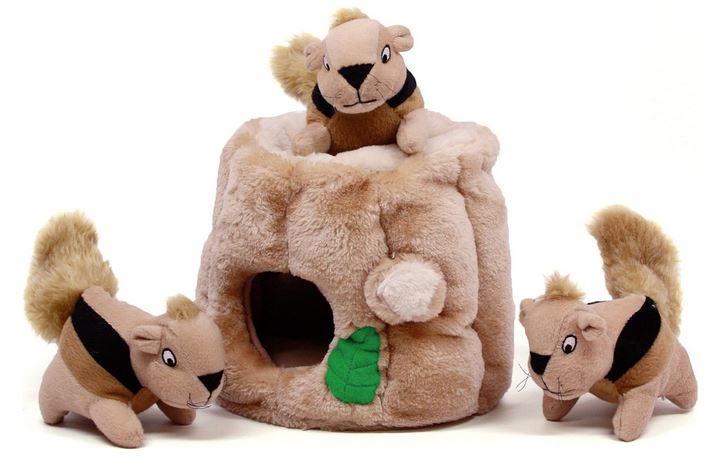
Schnauzer Tested and Approved Dog Toy: Hide a Squirrel on AMAZON
GET HEALTHY

Great deals on vitamins for your pet!
Note: I earn a small commission from qualifying purchases.
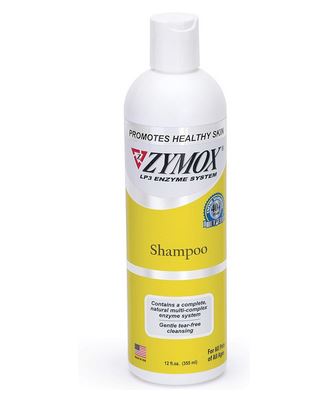
Veterinary Strength Shampoo for Dogs
helps destroy bacteria and fungi that cause skin infections
and Schnauzer Bumps
Mini Schnauzer Family Sun Shade for your car's windshield. So dang cute

Adorable Schnauzer Kitchen Quick Drying Dish Towel

Schnauzer Health Care
DOG HEALTH SERIES
•Diabetes
• Pancreatitis
•Kidney Stones
•Schnauzer Bumps
•Schnauzer Checkup Chart
•Dog Pain Symptoms
• Dog Allergies
•First Aid for Dogs
•CPR for Dogs
•Heimlich Maneuver for Dogs
•Pet Insurance
•Veterinarian
Schnauzers Rule on Zazzle
Schnauzers Rule Zazzle Shop
Be sure to visit our Zazzle store. We have lots gifts for Miniature Schnauzer Lovers including T Shirts, Stickers, Home Decor items and more. Got Schnauzer?
Special Promotional Offers
Check out all the cute dog customers on AMAZON
Amazon purchases through affiliate links, earn me a small commission