Luxating Patella in Dogs
A luxating patella, (when the kneecap slips out of place) is a common problem for
dogs, particularly in smaller dog breeds. It can cause quite a
bit of pain and even lameness in dogs. In this article, we discuss...
•how the kneecap dislocates, •the symptoms of a floating knee, and •treating patellar luxation.
CAUSES:
Patellar luxation occurs when the kneecap (or patella) dislocates (or luxates) out of its normal position. It's like having a 'trick knee' or one that slips out of place. This misalignment is not only painful to dogs but constant recurrence overtime can lead to cartilage damage and arthritis.
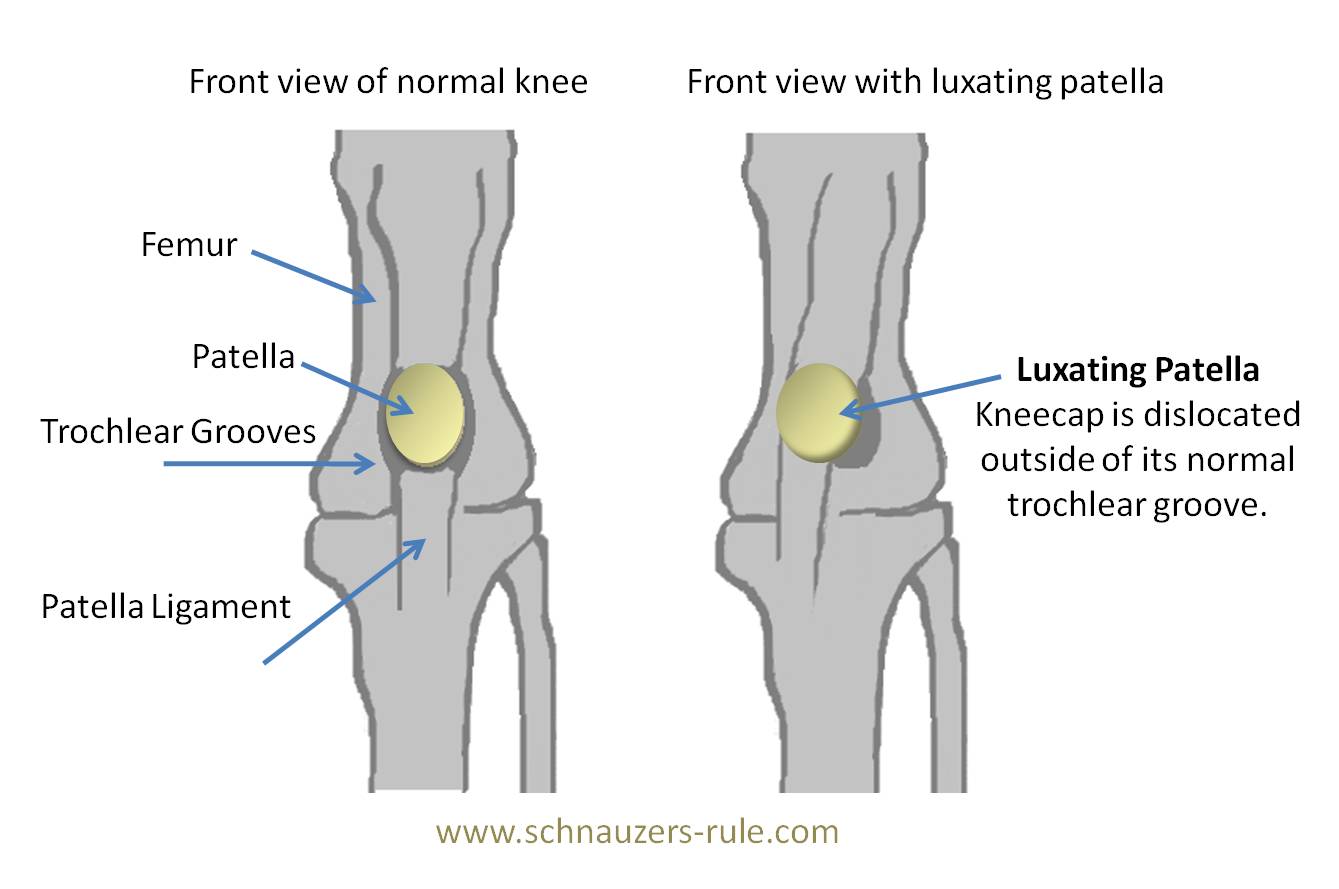
Take a quick look at the photo below (Patellar luxation) The knee on the left is a drawing of a normal knee; the one on the right shows a luxating patella.
How the knee operates - a simple explanation: Every time the knee bends the patella moves up and down. The darker area behind the patella highlights the trochlear groove which is a concave area of the femur that allows the patella to slide up and down.
Sometimes the kneecap slips out of this groove (right side of photo) this is the condition called luxating patella. One good example of this happening is when a dog is running or at play and all of the sudden you hear it yelp and observe the dog holding its back leg up for a few moments. The kneecap pops out of position which causes the dog pain. Some dogs can 'click' the kneecap back into place on their own and go on about their play. Then there are those dogs that have so much trouble with their knees and this condition, they require surgery to correct it.
Primarily congenital, luxating patellas occur mostly in small or toy dog breeds, because their trochlear groove is too shallow, hence the kneecap has trouble staying in position. Also known as Medial petellar luxation or MPL, this condition can affect one or both knees and usually worsens overtime causing lameness.
Some of the small dog breeds typically affected by this disease include the: Pomeranian, Bichon Frise, Toy Poodle, Chihuahua, Boston Terrier, Yorkshire Terrier, Pug, and yes... the Miniature Schnauzer.
Patellar Luxation in Dogs | Symptoms
SYMPTOMS:
Most symptoms, unless severe, will not be detected without x-ray, however your Veterinarian will be able to feel the kneecap and its movement during a regular examination.
- The most obvious symptom will be a yelp from your dog while running follow by a skip in step.
- You may also notice that your dog is having a hard time walking or even an unwillingness to move about freely.
- More severe degrees of damage include toes pointing inward or a bowlegged appearance.
So what can you do?
Avoiding Patellar Luxation
- Make sure your dog gets plenty of exercise. Just make sure he doesn't overdo it.
- Don't let your dog get fat. Keep your Miniature Schnauzer on a balanced diet and avoid extra weight which puts too much stress on the dog's joints.
- Don't let your dog jump on and off the furniture, etc... Assist your dog when necessary or make use of dog ramps and pet steps to help him up and down.
- Keep your dog's nail trimmed. This is important as it will prevent your dog's paw from
snagging or getting hooked onto something that causes him to jerk his leg which could dislocate the knee.
- Consider the help of supplements like glucosamine and chondroitin which help repair and maintain healthy joint tissue.
Patellar Luxation in Dogs | Treatment
TREATMENT:
Patellar luxation is graded on a scale from I to IV (IV being the most severe). Depending on the severity, treatment may involve pain management, anti-inflammatory drugs, physical therapy, and weight control. For more severe cases, surgery will be needed to correct the disease. Since the disease can progress over time and in order to prevent severe lameness later on, early detection is important.
Some dogs find relief with the use of natural joint support supplements. These formulas provide a safe, effective alternative that may help relieve aches, stiffness, and discomfort caused by arthritis, injury, surgery, and old age.
Joint care support product lines with formulas to aid connective tissue health, eases discomfort or stiffness and support joint mobility.
3 key factors for a good joint support product are:
- Joint-building compounds, like Glucosamine and Chondroitin to supply joints with materials for repair and maintenance of healthy joint tissues
- Antioxidants, including Ester-C and Vitamin E, to reduce the joint-damaging effects of free radicals
- Inflammatory response support, offered by herbs like Boswellia and Yucca, to ease discomfort and reduce the impact of inflammation on joint deterioration
The joint care products link above have products with all three factors and all the ingredients listed above, which include the essential factors most often recommended by veterinarians to support connective tissue health and ease symptoms of stiffness in joints.
Early detection of patella luxation can increase your dogs chance for a successful surgery. If you believe your Miniature Schnauzer has this problem please consult with your veterinarian.
Go from Luxating Patella in Dogs to About the Miniature Schnauzer on Schnauzers Rule
Go from Luxating Patella to Miniature Schnauzer Health
Related Topics:
★ Schnauzer Dog Care
★ First Aid for Dogs
Search Schnauzers-Rule.com




Hide a Squirrel
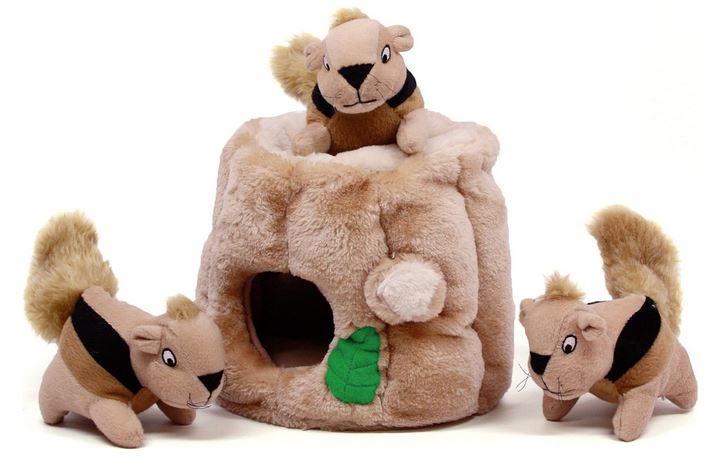
Schnauzer Tested and Approved Dog Toy: Hide a Squirrel on AMAZON
GET HEALTHY

Great deals on vitamins for your pet!
Note: I earn a small commission from qualifying purchases.
Veterinary Strength Shampoo for Dogs
helps destroy bacteria and fungi that cause skin infections
and Schnauzer Bumps
Mini Schnauzer Family Sun Shade for your car's windshield. So dang cute
Adorable Schnauzer Kitchen Quick Drying Dish Towel
Schnauzer Health Care
DOG HEALTH SERIES
•Diabetes
• Pancreatitis
•Kidney Stones
•Schnauzer Bumps
•Schnauzer Checkup Chart
•Dog Pain Symptoms
• Dog Allergies
•First Aid for Dogs
•CPR for Dogs
•Heimlich Maneuver for Dogs
•Pet Insurance
•Veterinarian
Schnauzers Rule on Zazzle
Schnauzers Rule Zazzle Shop
Be sure to visit our Zazzle store. We have lots gifts for Miniature Schnauzer Lovers including T Shirts, Stickers, Home Decor items and more. Got Schnauzer?
Special Promotional Offers
Check out all the cute dog customers on AMAZON
Amazon purchases through affiliate links, earn me a small commission