Canine Hepatitis Overview
Canine hepatitis is a viral disease affecting a dog's liver caused by canine adenovirus type 1 (CAV-1).
The liver is the second largest organ in the body responsible for eliminating and detoxifying toxins that enter the bloodstream.
Optimal liver functioning is vital to the health of your dog's immune system, which ensures that your dog stays healthy.
The virus is spread by body fluids of an infected dog - body fluids like feces, urine, blood, saliva and even the dog's nasal discharge. The viral disease is transmitted by either direct contact with an infected animal or from objects that have been contaminated - (like food dishes and kennels).
The virus can cause damage throughout the body but in particular to important organs such as the liver, kidneys, lungs and eyes in dogs. Dogs of all ages are susceptible to the disease but especially unvaccinated puppies. Luckily hepatitis vaccines have been effective in preventing infection and should be part of your puppy's vaccination plan.
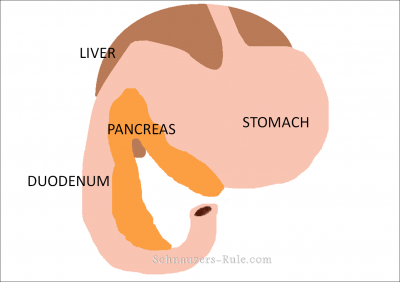 |
The liver extends on both the right and lefts sides of the abdomen. It serves many bodily functions including detoxifying the blood and storing glycogen. |
Homeopathic herbal remedies to strengthen and improve immune system and liver functioning in cats and dogs.
- Improves immune system functioning
- Boosts resistance against disease
- Helps fight viral and bacterial infections
- Improves healthy liver functioning
- Aids in the elimination of systemic toxins
- Acts as a tonic for the lymphatic system
- Increases hemoglobin levels and prevents anemia
- Helps prevent liver problems
- Improves and stimulates liver functioning
- Purifies and cleanses the blood, eliminating toxins
- Strengthens systemic resistance against disease and infection
- Assists bile flow and promotes gallbladder health
- Improves the health and functioning of the pancreas
Hepatitis Symptoms in Dogs
Cases of canine hepatitis can be mild to severe. Dogs with mild cases may lose their appetite, act lethargic, run a low-grade fever, and/or develop a cough.
Dogs with an acute form of the disease (which can turn fatal) will develop more severe symptoms and may require hospitalization.
Symptoms
- high fevers
- vomiting
- diarrhea
- seizures
- lethargy
- cloudy or bluish eyes
- loss of appetite
- dog cough
- increased drinking & urination
- swollen lymph nodes
Because the virus affects the liver, a vital organ responsible for performing so many bodily functions, the disease is serious and should be treated for immediately.
Important to note: Dogs recovering from canine hepatitis can still be carriers. This means they can pass the virus on for up to nine months in the urine. Also, to help prevent the spread of the virus, it is a good idea to disinfect contaminated objects with bleach to kill the virus.
Treatment for Canine Hepatitis
Treatment for CAV-1 usually consists of the administration of intravenous fluids, antibiotics, special diet, vitamins, and plenty of rest. However, permanent prevention through vaccination against the CAV-1 is recommended with boosters every one to three years.
Remember: Your puppy or unvaccinated dog should always be kept away from public places and from other dogs outside of your own home until your dog has completed all vaccinations.
Until your dog or puppy is properly immunized keep playtime and potty breaks limited to your own yard. This is the best way to ensure your unvaccinated puppy or dog does not come into contact with contaminated objects, urine or feces.
Click here for more information on ICH.
Always seek medical attention and advice from your Vet
Search Schnauzers-Rule.com

From Canine Hepatitis to All About the Miniature Schnauzer on Schnauzers Rule
From Hepatitis in Dogs to Miniature Schnauzer Health
Related Topics:
★ Heimlich Maneuver for Dogs
★ First Aid for Dogs
★ Canine Pancreatitis
★ Canine Leptospirosis
Search Schnauzers-Rule.com



Hide a Squirrel
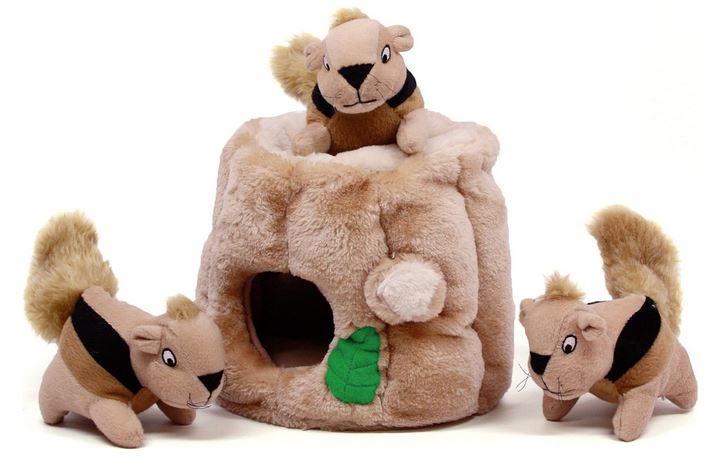
Schnauzer Tested and Approved Dog Toy: Hide a Squirrel on AMAZON
GET HEALTHY

Great deals on vitamins for your pet!
Note: I earn a small commission from qualifying purchases.
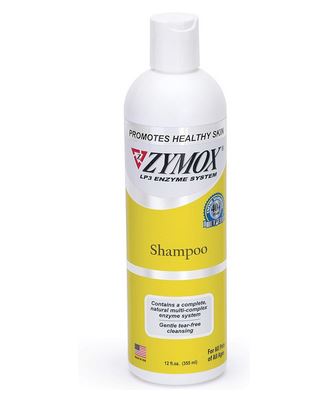
Veterinary Strength Shampoo for Dogs
helps destroy bacteria and fungi that cause skin infections
and Schnauzer Bumps
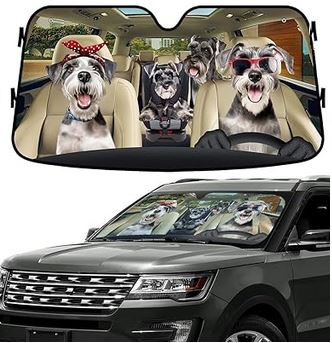
Mini Schnauzer Family Sun Shade for your car's windshield. So dang cute
Adorable Schnauzer Kitchen Quick Drying Dish Towel

Schnauzer Health Care
DOG HEALTH SERIES
•Diabetes
• Pancreatitis
•Kidney Stones
•Schnauzer Bumps
•Schnauzer Checkup Chart
•Dog Pain Symptoms
• Dog Allergies
•First Aid for Dogs
•CPR for Dogs
•Heimlich Maneuver for Dogs
•Pet Insurance
•Veterinarian
Schnauzers Rule on Zazzle
Schnauzers Rule Zazzle Shop
Be sure to visit our Zazzle store. We have lots gifts for Miniature Schnauzer Lovers including T Shirts, Stickers, Home Decor items and more. Got Schnauzer?
Special Promotional Offers

Check out all the cute dog customers on AMAZON
Amazon purchases through affiliate links, earn me a small commission